
Water-Based Screen Printing in 2025: A More Eco-Friendly Option

Water-based screen printing used to carry a reputation for being tricky, especially if you wanted really bright colors or needed to print on darker fabrics.
That reputation is fading fast. Thanks to new formulations, better curing equipment, and broader industry know-how, water-based inks have become a top contender for modern apparel brands in 2025.
They offer a gentler impact on the planet, a softer print feel, and a durability that rivals traditional methods. Whether you’re producing t-shirts for a busy e-commerce operation or scaling up your line of trendy streetwear, there’s never been a better time to consider swapping out older inks for something more contemporary and eco-friendly.
If your business is on the cusp of big changes and you’re rethinking your entire operation, you may have already realized it’s time to scale.
When growth looms on the horizon, you need processes and partners who can handle larger orders without compromising quality. Water-based printing helps by striking a balance between that coveted retail-quality look and the demand for a more conscientious approach to ink chemistry.
Today, our custom apparel experts are excited to share an in-depth look at how water-based screen printing has advanced, what makes it so appealing for different brands, and how to navigate typical challenges.
Along the way, we’ll address some common myths, compare it to plastisol, and talk about how it fits into an overall strategy for apparel manufacturing in 2025.
Learn About Scrappy’s 100% Online Bulk Manufacturing Solutions

The Draw of Water-Based Inks
Seasoned printers and brand owners will recall the days when plastisol inks led the market. Plastisol is straightforward to handle, doesn’t dry up on screens as fast, and can offer superb coverage on dark garments with minimal fuss.
But it can also feel thick or plastic-like on the shirt, and it relies on chemicals that raise eyebrows in today’s environmentally aware climate. (FYI—we are not anti-plastisol. At Scrappy Apparel, we offer plastisol, water-based inks, and many more—so our customers can make the right choice for their brands.)
Water-based alternatives solve some of these concerns by swapping petroleum-based carriers for water, dramatically reducing harmful emissions and making cleanup less reliant on harsh solvents.
A big selling point is how the ink fuses into the garment fibers. Instead of stacking on top of the fabric, it actually becomes part of the material. This leads to a softer, breathable feel that many brands love, especially those aiming for a higher-end audience.
That premium vibe is something you can’t fake with a cheap print job. People often notice the difference the second they slip on the shirt or hoodie.

Bright Colors and Durability
Anyone who has dabbled in screen printing might wonder if water-based can match plastisol’s famously vibrant color palette. In the past, water-based inks sometimes lost their punch, especially on dark fabric.
Thanks to modern chemistry, that gap has closed.
You can now achieve bold yellows on black tees, bright whites on navy hoodies, or neon pinks on polyester blends, all while preserving the benefits of a softer, thinner print. If your designs rely on detail or require many colors to blend, you might appreciate why simulated process screen printing is the key to high-color intricate prints.
This method breaks your artwork into a limited number of base colors that mix visually on the shirt, giving you a smooth, photorealistic look, especially when combined with water-based inks.
Once cured, water-based prints hold up well to wear and washing. Unlike plastisol, which can peel or crack if not applied perfectly, water-based inks penetrate the fibers, so they’re less likely to chip away.
Over time, they may develop a gentle fade, almost like a vintage aesthetic, but your artwork stays intact without flaking off in chunks.
Reaching Eco-Conscious Customers
More and more buyers want to support brands that care about the planet and take genuine steps to reduce their environmental footprint.
Water-based inks are often free from PVC, phthalates, and other chemicals found in older formulations. They also cut back on volatile organic compounds (VOCs), which can pose risks for the folks who actually run the presses.
When you opt for water-based printing, you align your brand with a broader shift toward cleaner manufacturing—something a lot of people ask about before making a purchase.
The push for eco-friendly screen printing also makes sense from a regulatory standpoint. Different regions are tightening their rules around toxic substances in consumer goods. Water-based inks can help sidestep compliance headaches and keep your brand’s reputation squeaky clean.
This can be crucial if you’re shipping garments to states or territories with stricter guidelines on chemical use.
Handling Complex Artwork
If your brand deals with elaborate designs—maybe full-illustration t-shirts or bold gradients on sweatshirts—this might be the moment you start worrying about losing detail with water-based ink. Older generations of water-based inks sometimes bled a bit, making super-fine lines tricky.
But that’s changed significantly. Updated formulas, combined with better screen setups (like higher mesh counts and correct emulsion use), let you capture crisp edges and small text without a problem.
The screen printing ink you choose should reflect the kind of effect you want, and many water-based lines offer great options. This shift is fantastic news for brands that rely on eye-catching, stand-out designs to make a statement.
Perfecting Quality as You Grow
Stepping up your apparel game is exciting, but bigger orders can also reveal weak spots in production or fulfillment. Detailed checks become more important. If you’ve never done a wash test or stretch test on your prints, it might be wise to learn how to implement quality assurance in apparel manufacturing before you dive in.
Water-based inks do require proper curing—too little time in the dryer, and the design won’t bond properly. Too much heat, and you risk issues like scorching or color shifts.
Testing helps you catch these pitfalls early. It also ensures your brand avoids the dreaded scenario of shipping out hundreds (or thousands) of defective garments. Once you’ve nailed the process on smaller runs, you can confidently ramp up production without losing consistency.
For corporate or large-scale buyers, reliability is a must. They’ll remember—and reorder from—the brands that deliver a flawless batch every single time.
Can Water-Based Printing Handle Big Volume?
Some brand owners still worry that water-based printing is slow or unsuited to high-volume orders.
It’s true that water-based inks can dry in the screen if you pause for too long, and you need forced-air dryers to evaporate the moisture efficiently.
That’s a great reason to work with an expert bulk manufacturing partner who can handle the whole process for you—especially if you’re printing thousands of garments daily.
Automation helps, too: automatic presses maintain consistent off-contact and ink flow, while continuous conveyor dryers set the right environment for quick evaporation and full curing.
If your brand is on the upswing, you may already sense it’s time to scale.
Your local printer could be solid for now, but they might not handle tens of thousands of shirts without sacrificing turnaround or quality. It’s a smart move to partner with an outfit that offers robust capacity and a track record of dependable performance using water-based methods.
Otherwise, you risk bottlenecks right when your demand is hottest.
Comparing Water-Based to Plastisol in a Nutshell
Here’s a quick recap of how water-based stands up to plastisol:
- Crispness and Color: Plastisol is known for bold, opaque prints. Water-based inks can match those color pops with the right formulations, and some say water-based looks more “embedded” and natural.
- Texture: Plastisol tends to feel thicker. Water-based ink soaks into the garment, creating a softer finish that appeals to people who wear your items day-to-day.
- Environmental Impact: Plastisol often uses PVC and chemicals that raise red flags. Water-based avoids most of those concerns, leading to fewer harsh fumes and simpler cleanup.
- Curing and Workflow: Plastisol doesn’t dry in screens if you take a break, which some printers love. Water-based is a bit fussier on-press, but manageable with correct setups. Modern forced-air dryers make water-based nearly as efficient in terms of cure time.
On-Trend in 2025
Because finished water-based screen printing garments have that high-quality, almost retail-ready feel, they stand out.
People spot them on social media or in pop-up stores and say, “That’s legit merchandise,” rather than something cheaply slapped on a shirt. If you’re exploring custom apparel solutions for micro-trends, water-based printing can help you pivot quickly and capture the market before the moment fades.
Making Sense of Production Options
So, you know water-based printing suits your brand’s ethos and visual needs, but you’re not sure whether to print on demand or commit to large batches in advance.
For some labels, on-demand is ideal if each customer orders unique items or you’re testing new product lines with uncertain demand. Other brands lean on bulk runs for better pricing per shirt and bigger profit margins.
You can compare print on demand vs. Scrappy Apparel’s bulk manufacturing to figure out the pros and cons in your situation. Your ultimate choice might hinge on how stable your sales forecasts are and how many variations of each design you need.
Budgeting for Growth
You might ask, “Does going water-based cost more?”
The honest answer: sometimes, but not always.
Certain water-based inks can be pricier upfront compared to plastisol, and a specialized setup (like forced-air curing) can mean a bigger investment.
However, the per-unit difference may be smaller than you think once you factor in large volumes. You could also unlock efficiencies by using fewer ink colors or planning your runs carefully.
If you’re worried about overspending, here are 5 cost saving tips for enterprise-level corporate apparel orders that can help you strike a balance between premium quality and smart budgeting.
Remember that a low-quality shirt, even if cheaper to make, can hurt your brand’s credibility. Customers might not reorder if they think your garments feel rough or peel after two washes.
In the long run, a slightly higher cost for water-based printing often translates into more satisfied buyers, fewer returns, and stronger brand loyalty.
Adapting for Different Garments
When people talk about water-based screen printing, they often picture t-shirts. But the technique applies well to hoodies, crewnecks, and many other garments, including certain blends of polyester and cotton.
If you’re printing on pure polyester, you might have to consider dye-migration blockers or specialized “low-bleed” inks. Although more fiddly, it’s doable, and the results can be fantastic if your printer knows what they’re doing.
The same goes for finishing touches. Items like hats and sweatpants can benefit from that smooth, embedded look. If your brand has a wide product range, you’ll appreciate working with a partner who can handle water-based printing across multiple fabric types without skipping a beat.
Combatting Old Myths
There’s a lingering myth that water-based inks always produce dull prints, but countless brands have proven otherwise. Another misconception is that water-based can’t scale for large orders, which no longer holds up given advancements in screen, squeegee, and dryer tech.
Yes, there’s a learning curve—especially if your staff is used to plastisol’s simplicity—but experienced shops have it down to a science. If you’re hearing outdated complaints about water-based inks, it might be time to see how far the technique has evolved since the early 2000s.
The Human Touch: Why Comfort Matters More Than Ever
Fashion cycles come and go, but comfort is timeless. When a shirt or hoodie feels soft and breathable, people reach for it on repeat. That means your logo or design gets more exposure in everyday life.
Water-based printing helps brands deliver that almost “lived-in” feel right out of the gate, rather than waiting for multiple washes to soften up a thick plastisol patch.
This comfort factor is no small deal, especially if you’re selling directly to consumers who have lots of other choices.
Looking Ahead
As 2025 marches on, the apparel printing industry keeps innovating. More shops invest in forced-air dryers, fine-tuning digital color separations, and better water-based formulations.
People want prints that not only look sharp but also align with greener processes, especially if they’re stepping away from the old “fast fashion” mindset.
For brands eyeing the next big opportunity, water-based screen printing is part of a broader puzzle: reliable supply chains, flexible fulfillment, and a knack for anticipating what customers crave in both style and substance.
If you’re still on the fence, consider where your brand wants to be a year from now—or five years from now. If a pile of orders lands in your lap and you need thousands of items turned around quickly, do you have the right resources?
And does your printing method still reflect your brand’s values around quality and sustainability? For many, water-based ink emerges as the best fit for the modern era of apparel production.
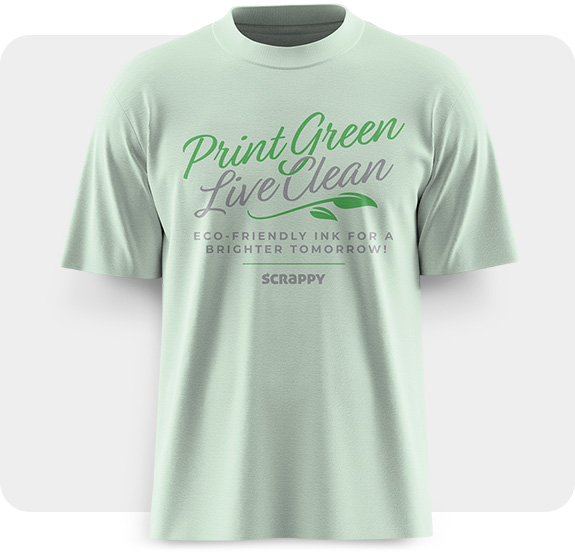
Where Scrappy Apparel Fits In
Scrappy Apparel specializes in more than printing. We’re a complete apparel partner that helps you manage sourcing, manufacturing, finishing, and nationwide fulfillment.
If your brand is expanding—or you can feel that expansion is just around the corner—Scrappy can streamline the entire process so you’re not juggling multiple vendors. That leaves you to focus on what your business does best: creating products people love.
When you work with a partner that oversees everything—from bulk manufacturing to storing and shipping the final garments—there’s no confusion about who does what.
That means fewer missed deadlines, fewer shipping errors, and a single point of contact for all your questions.
In a market where reliability often determines whether customers reorder, that’s a huge advantage.
Let’s Work Together!
If water-based screen printing sounds like the right fit for your brand, Scrappy is here to make the process smooth and successful. We’ll guide you through selecting the right inks, finalizing your pre-production layouts, and building a workflow that supports your ambitions.
Our core philosophy includes creating apparel people genuinely love to wear, backed by a supply chain that can keep pace with your growing demands.
Think of water-based as an investment in both comfort and credibility. Modern consumers more eco-friendly production methods.
Water-based printing meets those expectations while still offering vivid colors, crisp details, and room to play with special effects. By partnering with us, you’re tapping into a robust, reliable system—one that ensures consistent deliveries, strong quality control, and a clear path to expanding your brand in 2025 and beyond.
We invite you to reach out to Scrappy Apparel today and explore how our water-based screen printing solutions can elevate your products and amplify your impact.


