
Discharge Screen Printing: Your Goldmine for Soft, Premium-Feeling Apparel

Are your apparel prints falling flat with customers, even though you’ve carefully chosen fabrics and designs?
It’s a frustrating scenario—especially if you rely on external manufacturing partners who handle large orders for you.
One printing technique, though, is routinely underused despite giving garments a next-level softness and superior integration of color: discharge screen printing.
Rather than stacking layers of ink, discharge pulls dye from dark cotton fabrics and replaces it at the fiber level, creating a gentle “infused” design that feels barely there.
Let’s take a quick look at how discharge printing works, why it could be a game-changer for brands using external production, and which practical steps can help you integrate it into your larger supply chain plan.
If dark-hued t-shirts or hoodies make up a big portion of your catalog, or if you’re seeking that premium finish that boosts loyalty, discharge may be just the technique you need in 2025.
Manufacture Your Next Bestselling Garment with Scrappy Apparel

What Sets Discharge Printing Apart
Discharge printing relies on water-based inks combined with a chemical “activator” that removes or neutralizes the garment’s existing dye wherever you place your design.
A Completely Different Take on Color
Plastisol inks coat the fabric surface. Standard water-based inks soak in, but don’t remove color. Discharge specifically dislodges the dye molecules, then re-dyes the fabric. That means the final design is part of the material itself. Customers end up with a lightweight, breathable print that often outlasts more conventional methods.
Softer Prints
Because discharge prints bond at the fiber level, brands aiming to stand out can avoid stiff surfaces or peeling edges. This matters if you’re managing large orders through multiple partners—fewer reprints, fewer returns, and a better overall perception of quality.
T-shirts printed via discharge also have a retail-friendly finish, helping you make your apparel brand a household name by leaving shoppers impressed with the feel.
Why Brands Should Consider Discharge
Many owners think discharge is too specialized for high-volume work. But when your production partner handles the chemistry and scheduling correctly, discharge printing can streamline dark-garment runs and deliver a premium edge to your line.
Perfect for Dark Tees Without Heavy Layers
If your brand leans on black, charcoal, or navy shirts, you likely know how multiple underbase coats can slow printing and risk alignment errors.
Discharge eliminates that. It “bleaches” the existing dye in one go, so you get crisp designs without stacking.
Cuts Down on Printing Defects
Any time you apply multiple layers of ink, you increase the chance of misalignment or improper curing. Discharge can reduce that risk. Less layering means fewer mistakes—handy for large orders, where a small error can lead to thousands of flawed pieces.
By lowering the defect rate, you also protect your custom apparel investment on big production runs.
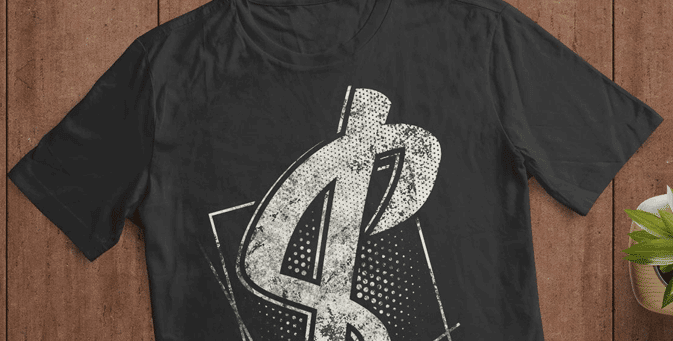
Advantages That Translate to Brand Value
Discharge doesn’t just offer behind-the-scenes efficiency. It can create an experience that elevates your apparel from ordinary merch to something people are proud to wear repeatedly.
Ultra-Soft Hand and Greater Breathability
When a design is literally part of the fabric, there’s no plasticky patch against your chest or back. Wearers feel cool in warm settings and appreciate the garment’s comfortable drape.
If you’re chasing customers who feel strongly about comfort, that intangible softness matters.
Durable, Fade-Resistant Prints
Discharge typically doesn’t crack or peel, because there’s no ink film to break. Over time, some discharge prints gently fade for an appealing vintage vibe, but they rarely degrade in the abrupt ways plastisol can.
That steadiness can pay off if you’re selling a line intended for frequent wear or looking at how to maximize profits by reducing returns.
Works Well for Retro or Subdued Looks
While discharge can be bright if done with added pigments, it especially excels at muted or “worn” designs, beloved by fans of vintage fashion or band tees.
If that style resonates with your target audience, you can offer it straight from the box—no heavy chemical washes, just a soft print that looks seasoned from day one.
Areas Where Discharge Can Stumble
Despite its strengths, discharge might not be perfect for all brands, garments, or color schemes.
Synthetic Fabrics Often Don’t Respond
Discharge is largely limited to cotton or high-cotton blends, because the chemical reaction that removes dye doesn’t apply well to polyester, nylon, or spandex.
Brands heavy on athletic or performance gear might find discharge less useful for those product lines, though they can still apply it selectively to cotton-based items.
Dye Incompatibility
Not all garment dyes lift well under discharge agents. Certain reds or greens might yield uneven or overly dull outcomes. If your brand is set on a specific color that’s notoriously resistant, you may need a different ink method.
This mismatch can create production bottlenecks, which can hamper your efforts to overcome apparel supply chain disruptions if you have to reorder blanks at the last minute.
Neon Intensity May Be Limited
While discharge can achieve bright colors by adding pigment, achieving true neon or fluorescent effects usually requires specialized plastisol or advanced water-based approaches. If your brand identity depends on eye-searing brightness, discharge might fall short of those extremes.
Scenarios Where Discharge Excels
When does it truly shine? Below are a few circumstances where discharge can help you produce apparel that stands out.
Dark Garments with Light or Multi-Color Designs
Getting white ink to pop on black or navy usually calls for multiple passes or thick bases. Discharge erases the base color in one go. If your manufacturing partner does it correctly, you save time and reduce layering mishaps, making large runs less prone to alignment errors.
Vintage-Inspired Drops
If you’re exploring custom apparel solutions for micro-trends, you might spot a quick chance to capitalize on vintage or distressed looks.
Discharge can create a retro aesthetic without additional washing or forced fading. That means you can rapidly turn around a nostalgia-infused collection.
High-Volume Cotton Lines
When your brand primarily sells dark cotton tees, discharge can simplify operations. You skip the underbase step, possibly cut flash-curing time, and end up with fewer lumps of ink or potential layering misalignments. If you handle thousands of pieces at once, that reduction in complexity could be a strategic win.
Streetwear and Upscale Casual
Streetwear enthusiasts often crave distinct prints that feel luxurious, not stiff. The “barely-there” hand of discharge can command higher price points, helping you make your apparel brand a household name among fans who appreciate subtle quality.
For casual lines aiming to differentiate through texture and comfort, discharge offers a competitive edge.
Making Discharge Work in the Supply Chain
So, how do you actually implement discharge printing at scale without derailing schedules or ballooning costs?
1. Verify Dye Compatibility
Ask your blank suppliers which colors handle discharge well. Some garment lines clearly list themselves as “discharge-ready,” but if yours doesn’t, request test prints. That extra step can save you from discovering mid-run that half your colors won’t discharge cleanly.
2. Conduct Sample Runs
Even if the color is known to discharge nicely, large orders call for a test batch. Have your production partner run a handful of shirts to confirm the exact shade and clarity. This approach helps you implement quality assurance in apparel manufacturing at scale, avoiding massive do-overs if something goes off track.
3. Manage the Activator Timeline
Discharge ink includes an activator with a finite “pot life” once mixed. Ensure your partner’s schedule runs so ink doesn’t stale. If your order is huge, they might handle it in batches, each using a fresh activator.
Good coordination helps you keep schedules predictable, linking directly to improving lead times in apparel production.
Note: if you work with an expert bulk manufacturing partner like Scrappy Apparel, you won’t have to worry about this at all!
4. Decide on Pigment Intensity
Some brands crave a stark white design on black tees; others prefer a washed look. Communicate clearly.
Your partner can tailor pigment loads or opt for “clear discharge” that leaves an off-white. This clarity ensures your final product matches your creative brief and resonates with your customers’ tastes.
At Scrappy, all our clients review pre-production layouts in advance of the manufacturing process. That way, there are no surprises!
5. Keep the QA Process Tight
Discharge demands consistent curing temperatures—often around 320°F. Slight deviations can lead to partial bleaching or dull color.
Learn about your manufacturing partner’s QA process before you work with them. Vigilant quality assurance translates to fewer returns, helping you protect your custom apparel investment by ensuring consistent output.
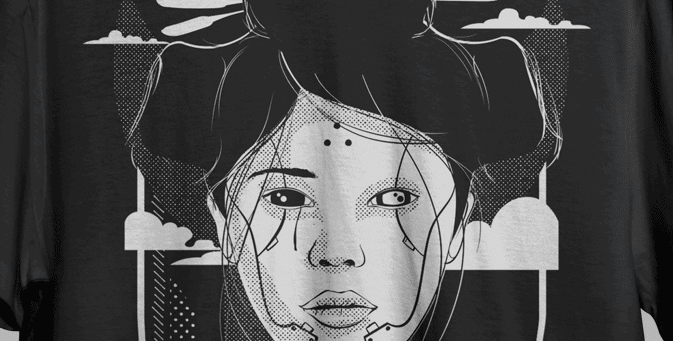
Why This Matters for Brand Perception
A next-to-skin comfort can make the difference between a tee someone wears constantly and one they toss into the bottom of the drawer. Discharge printing’s hidden benefit is how it fosters loyalty, word-of-mouth, and a sense that your garments are genuinely worth more.
Softness That Spurs Repeat Purchases
People love the feeling of cloth that moves naturally. Discharge eliminates the rubbery feel from large prints, so even big front designs don’t hinder flexibility.
That can be a crucial selling point if you’re trying to build brand loyalty through premium garments. Once people experience that soft-yet-bold look, they may come back for more items—or share their find with their friends.
Minimizes Dissatisfaction
No brand wants a wave of returns or complaints about cracked prints. By fusing the dye, discharge avoids the topcoat issues that plague plastisol-heavy lines. That means fewer headaches, improved brand reputation, and less friction in your supply chain, which can help you prevent frantic reorders or refunds.
Supports a Higher-End Image
If you’re going after an upscale or fashion-forward crowd, discharge’s seamless finish can be marketed as a luxurious touch. Combine that with quality blanks and robust finishing details, and you have a recipe for charging more—tying into your objective of maximizing profits.
By differentiating through both style and comfort, you stand a better chance of cutting through the noise of generic garments.
Evaluate Whether Discharge Fits Your Catalog
Despite these advantages, discharge has boundaries. It’s ideal for:
- Cotton or cotton-dominant blends
- Dark garments where you want bright or subtle designs
- Retro or “worn” looks that appear as though they’ve been favorites for years
- Situations where breathability and softness are selling points
Conversely, if your lineup features mostly polyester or if you need neon brilliance, you might seek alternate solutions or a blended approach—like discharge for some items, standard inks for others.
Is Discharge Worth the Effort?
Discharge screen printing can feel like a side note in the sea of plastisol and water-based options.
But for brands relying on external production who need an edge in comfort and style, it’s anything but minor. By removing the shirt’s dye instead of coating over it, discharge yields a soft, breathable final product that can impress customers used to stiff, heavy prints.
Yes, you’ll have to confirm dye compatibility, ensure your partners handle the activator timing, and keep a close eye on QA.
But if you’re mostly dealing with cotton pieces or you crave a vintage-friendly aesthetic, discharge may be the next big step for your brand. It offers a premium finish that can shorten layering steps, minimize potential print failures, and help your items stand out in a crowded field.
From black band tees to boutique-level casual wear, discharge printing in 2025 stands ready for larger-scale production—provided you do the upfront legwork.
Align it with your supply chain, confirm which garment colors discharge well, and dial in your pigment loads.
In return, you get comfortable, durable designs that keep customers wearing your merch day after day. That’s a clear path to deeper loyalty, solid reputation, and stronger margins—no small feat in an ever-evolving apparel marketplace.
Ready to Upgrade Your Dark Garments With a Softer, Premium Finish?
Let Scrappy handle the complexities while you enjoy the elevated look and feel of discharge printing.
You already rely on us for consistent manufacturing and dependable turnarounds—why not extend that into a printing technique that helps your line shine among competitors?
Talk to our team about discharge-friendly blanks, scheduling options, and the pigments that best suit your brand’s colors. We’ll give you the guidance needed to roll out apparel that stands out in both comfort and style.
It’s all about partnering on the details so your customers get garments they reach for every time—and your brand can enjoy the loyalty and buzz that follow.
Why wait? If you’re ready to see how discharge printing can fit into your external production strategy, we’re here to make it happen.
Let’s raise the bar for how your garments look and feel. Contact Scrappy Apparel to request a quote—and we’ll transform your next batch of dark cotton tees into must-have pieces that people will wear again and again.


